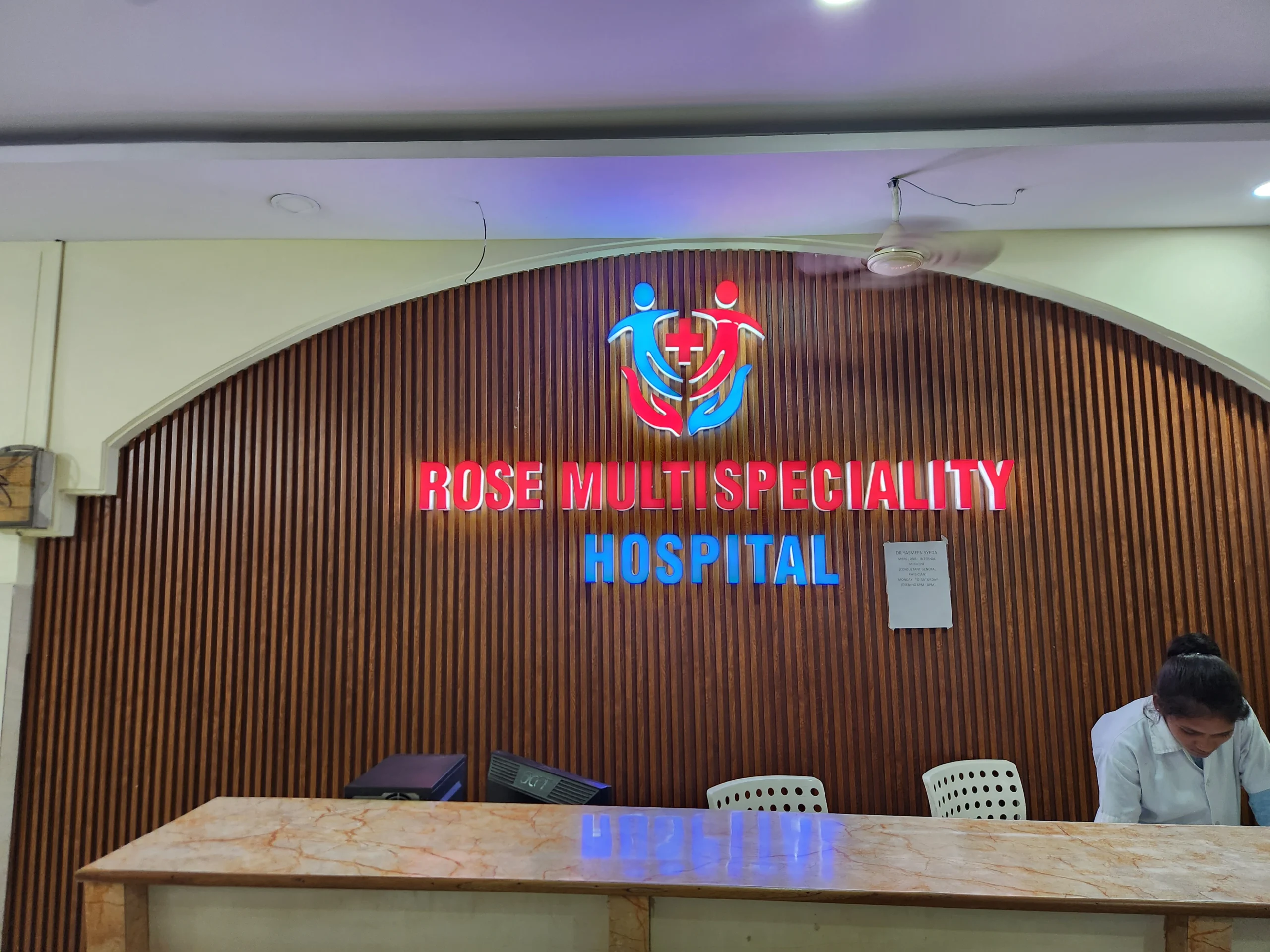
Orthopedic Care for Senior Citizens in Tolichowki Growing older is a natural part of life, but growing older should not mean living with constant pain or losing your independence. Many senior citizens experience bone, joint, muscle, or spine problems that make everyday activities like walking, climbing stairs, getting out of bed, or carrying groceries increasingly difficult. Unfortunately, many older adults ignore these symptoms, believing they are simply a part of aging. In reality, most orthopedic conditions can be effectively managed when diagnosed early. For families in Tolichowki, Hyderabad, access to timely orthopedic care can help elderly loved ones stay active, mobile, and independent. Whether it is persistent knee pain, hip discomfort, arthritis, osteoporosis, back pain, or fractures after a fall, early consultation with an experienced orthopedic specialist can prevent complications and improve quality of life. At Rose Multispeciality Hospital, Tolichowki, our orthopedic specialists provide comprehensive evaluation and personalized treatment for senior citizens using advanced diagnostic facilities, evidence-based treatments, physiotherapy, and surgical care whenever necessary. Why Orthopedic Problems Become More Common After 60 As we age, the body’s musculoskeletal system undergoes natural changes. Bones lose density, cartilage gradually wears away, muscles become weaker, and ligaments lose flexibility. These changes make joints less stable and increase the risk of injuries, fractures, arthritis, and chronic pain. Several factors contribute to orthopedic problems in older adults, including: Natural aging of bones and joints Reduced calcium and vitamin D levels Osteoporosis Obesity or excess body weight Diabetes Lack of regular physical activity Previous fractures or injuries Poor posture Sedentary lifestyle Hormonal changes, especially in postmenopausal women Although these changes are common, they should not be ignored. Early diagnosis allows doctors to slow disease progression and maintain mobility. Common Orthopedic Problems in Senior Citizens 1. Knee Osteoarthritis One of the most common reasons elderly patients visit an orthopedic doctor is knee osteoarthritis. Over time, the protective cartilage between the knee joints gradually wears away, causing bones to rub against each other. Symptoms include: Persistent knee pain Swelling around the knee Morning stiffness Difficulty climbing stairs Pain while standing or walking Grinding or clicking sounds Reduced flexibility Without proper treatment, knee arthritis can significantly affect independence and daily activities. 2. Hip Arthritis The hip joint supports most of the body’s weight. As cartilage deteriorates with age, hip arthritis becomes increasingly common. Typical symptoms include: Pain in the groin or hip Difficulty walking Stiffness after sitting Pain while getting up from a chair Reduced range of movement Limping Early treatment may delay disease progression and improve mobility. 3. Osteoporosis Often called the “silent disease,” osteoporosis weakens bones without causing symptoms until a fracture occurs. Older adults with osteoporosis have a higher risk of fractures, even after minor falls. Risk factors include: Age above 60 years Women after menopause Low calcium intake Vitamin D deficiency Smoking Long-term steroid use Physical inactivity Family history Routine bone health assessments can help detect osteoporosis before fractures occur. 4. Lower Back Pain Back pain affects many senior citizens due to age-related degeneration of the spine. Common causes include: Degenerative disc disease Lumbar spondylosis Spinal stenosis Compression fractures Muscle weakness Symptoms may include: Chronic lower back pain Pain while standing Leg numbness Difficulty walking long distances Pain radiating to the legs Ignoring chronic back pain may result in worsening mobility and reduced quality of life. 5. Shoulder Problems Many older adults develop shoulder pain due to wear and tear of the tendons and joints. Common shoulder conditions include: Frozen shoulder Rotator cuff tears Shoulder arthritis Tendinitis Symptoms include: Difficulty lifting the arm Shoulder stiffness Night pain Weakness Limited movement Timely physiotherapy and orthopedic treatment often restore shoulder function. 6. Fractures After Falls Falls are one of the leading causes of hospitalization among elderly individuals. Common fractures include: Hip fractures Wrist fractures Shoulder fractures Ankle fractures Pelvic fractures A simple slip at home can lead to serious complications if immediate medical attention is not sought. Signs That Should Never Be Ignored Many orthopedic conditions begin with mild discomfort that gradually worsens. Consult an orthopedic specialist if an elderly family member experiences: Joint pain lasting more than two weeks Swollen joints Difficulty climbing stairs Trouble walking Morning stiffness lasting longer than 30 minutes Pain while resting Frequent falls Weak grip strength Difficulty standing from a chair Pain that disturbs sleep Reduced movement of any joint Persistent neck or back pain These symptoms may indicate arthritis, osteoporosis, spinal disorders, or other orthopedic conditions that require medical evaluation. When Should You Visit an Orthopedic Doctor? Early consultation can prevent minor problems from becoming severe. Visit an orthopedic doctor immediately if there is: Severe pain after a fall Suspected fracture Inability to bear weight Visible deformity Sudden swelling Joint redness with fever Loss of movement Severe hip pain Persistent back pain with numbness Recurrent falls Prompt treatment helps reduce recovery time and lowers the risk of permanent disability. How Orthopedic Problems Are Diagnosed At Rose Multispeciality Hospital, orthopedic specialists perform a comprehensive assessment before recommending treatment. Diagnosis may include: Detailed Medical History The doctor evaluates symptoms, medical conditions, medications, previous injuries, and lifestyle factors. Physical Examination Joint movement, muscle strength, balance, posture, and walking pattern are carefully assessed. Digital X-rays X-rays help identify arthritis, fractures, deformities, and joint degeneration. MRI Scan MRI provides detailed images of muscles, ligaments, tendons, cartilage, and spinal structures. CT Scan CT scans are recommended for certain fractures or complex orthopedic conditions. Bone Density Test (DEXA Scan) This painless test measures bone strength and helps diagnose osteoporosis before fractures occur. Blood Tests Blood investigations may be advised to rule out infections, inflammatory arthritis, vitamin deficiencies, or metabolic bone disorders. Why Early Diagnosis Makes a Difference Many seniors delay seeking treatment because they assume pain is a normal part of aging. However, untreated orthopedic conditions can gradually lead to: Reduced mobility Muscle weakness Frequent falls Permanent joint damage Loss of independence Increased need for surgery Lower quality of life Early diagnosis allows doctors to begin conservative treatments such as medications, physiotherapy, lifestyle modifications, and nutritional